Mila the Cloud

Mila is a tilcayo, a small wild cat of the cloud forest in Bolivia. Her kind is the first brand-new kind of wild cat that scientists have named in more than a hundred years.

Rings that never touch

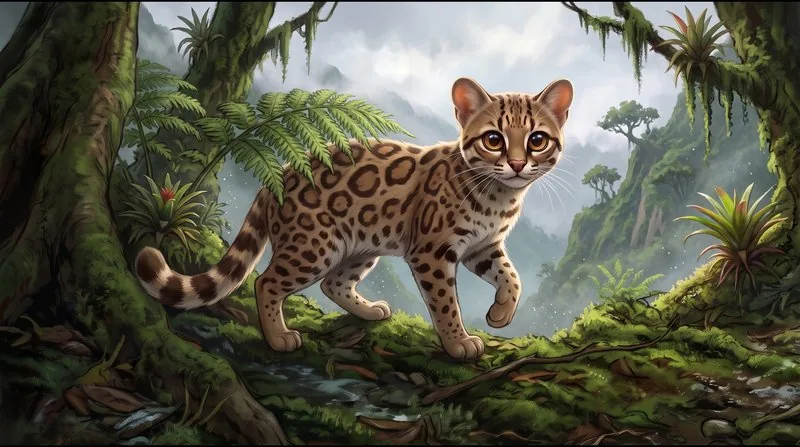
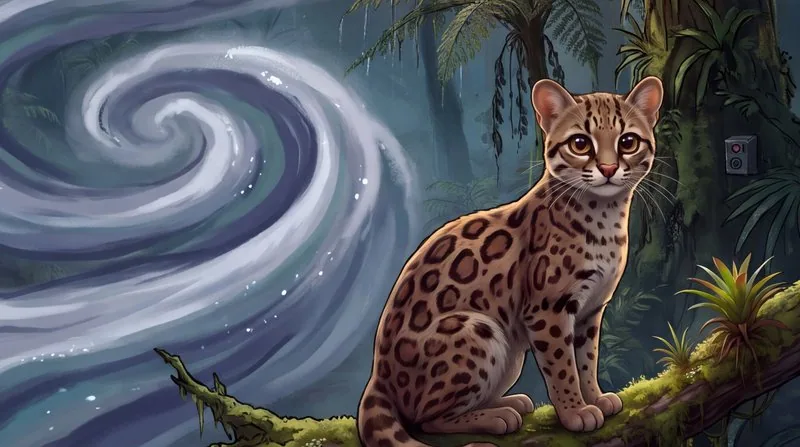
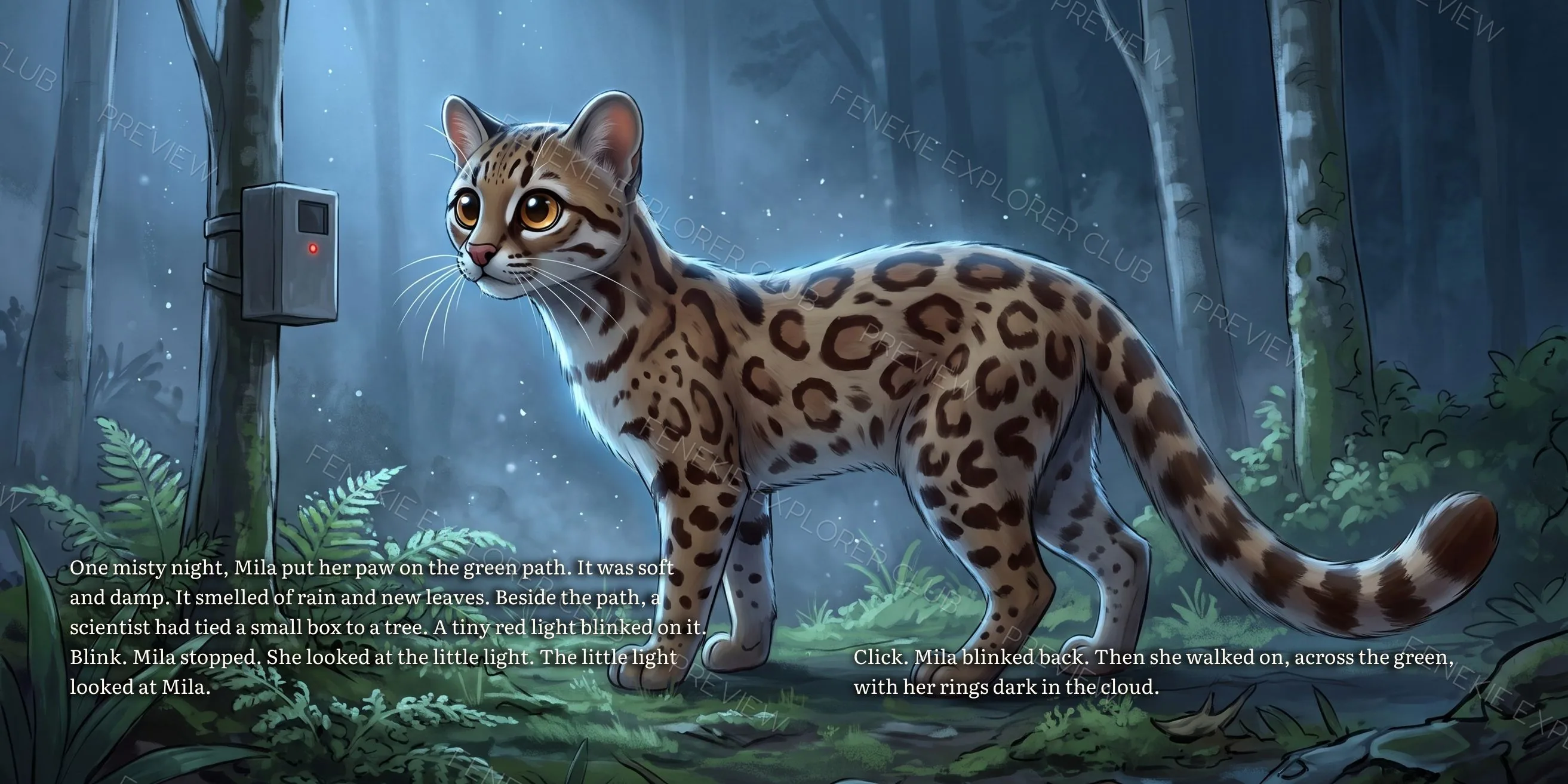
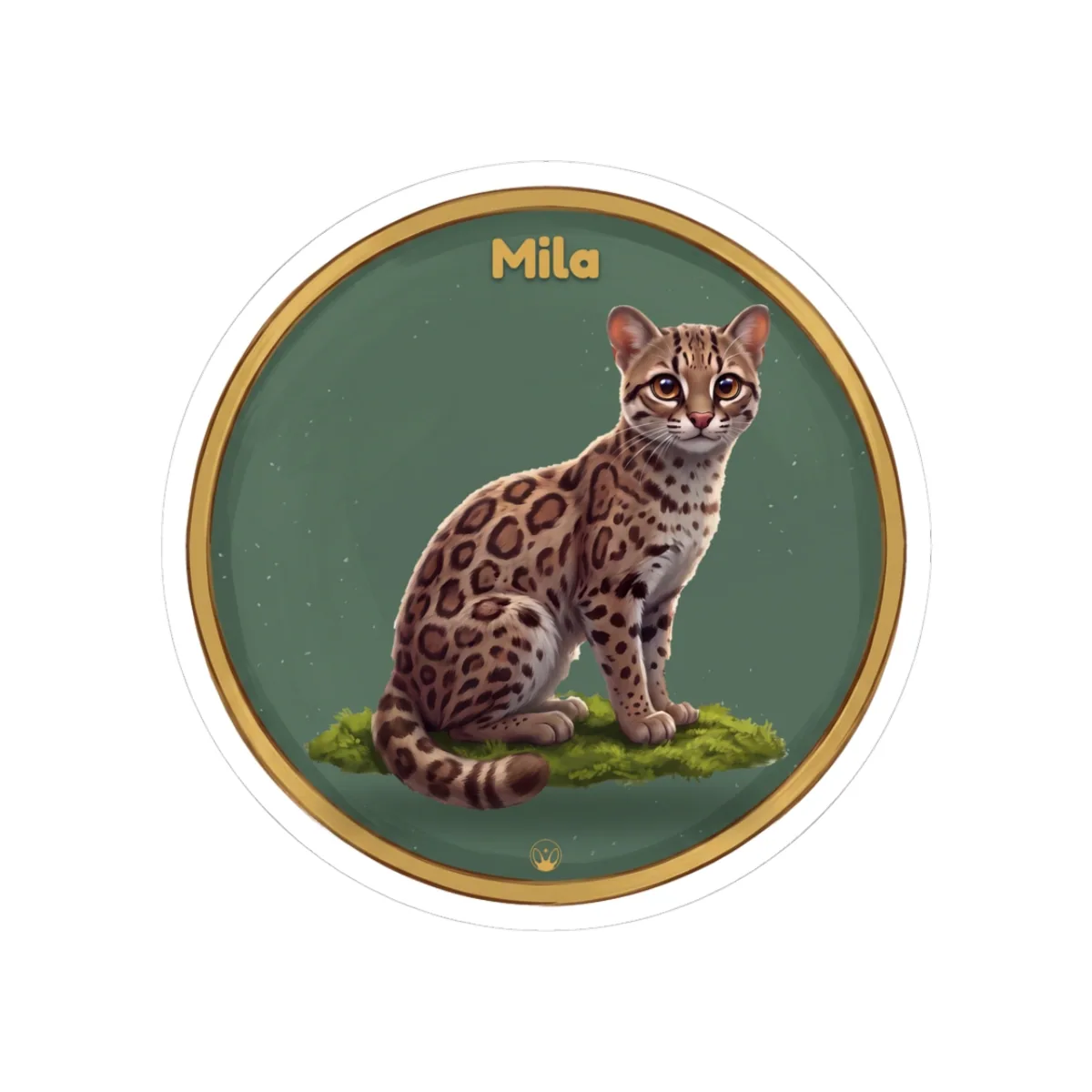
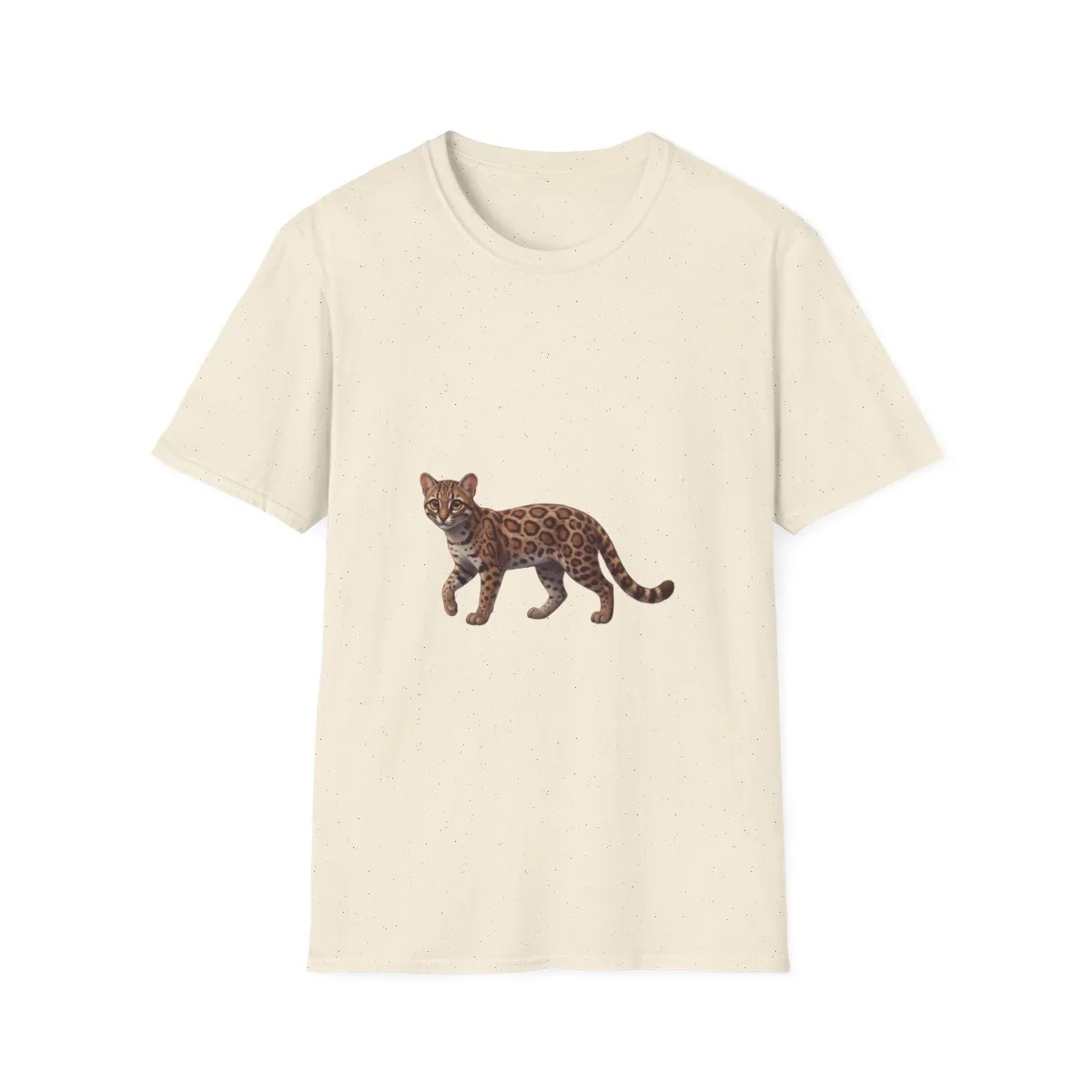
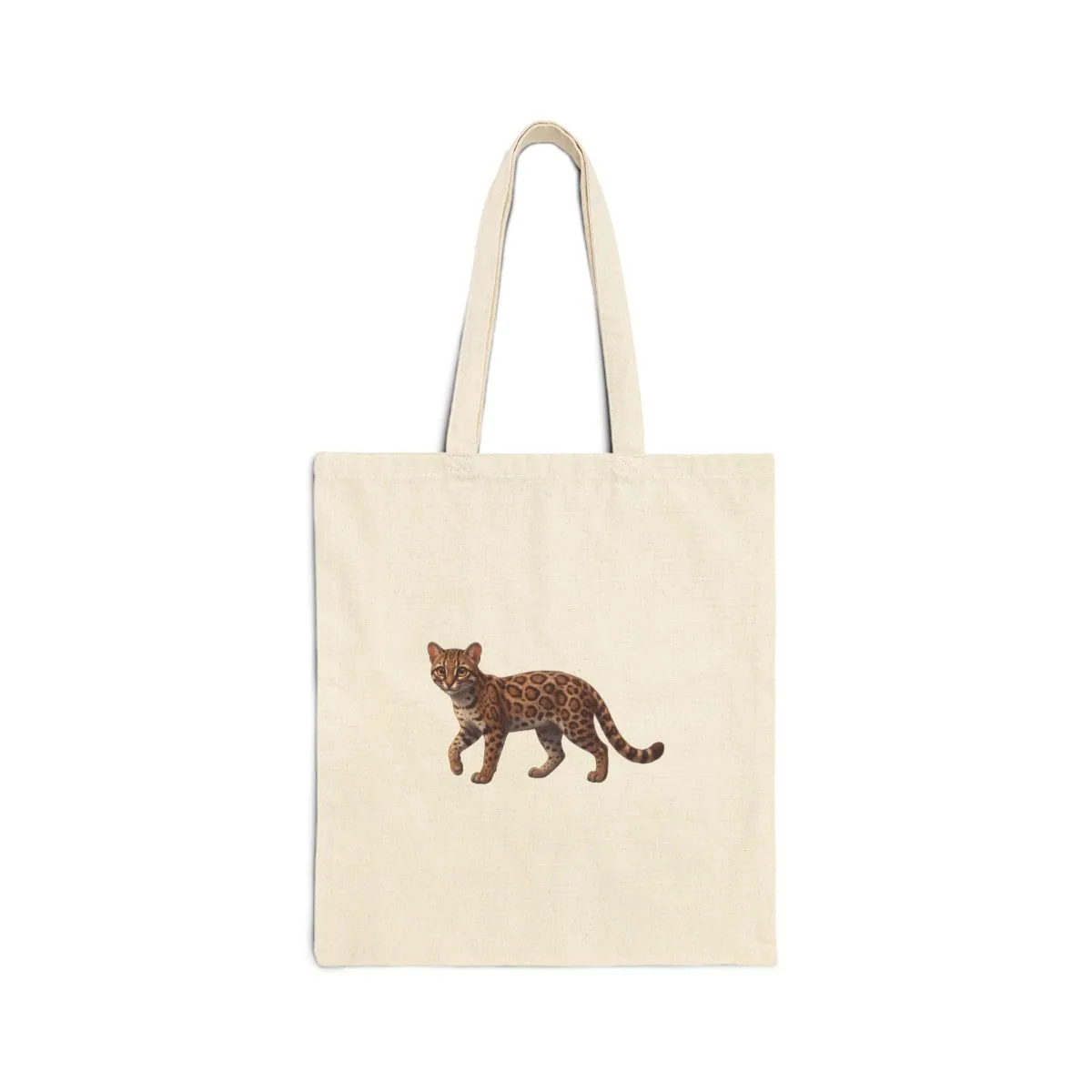
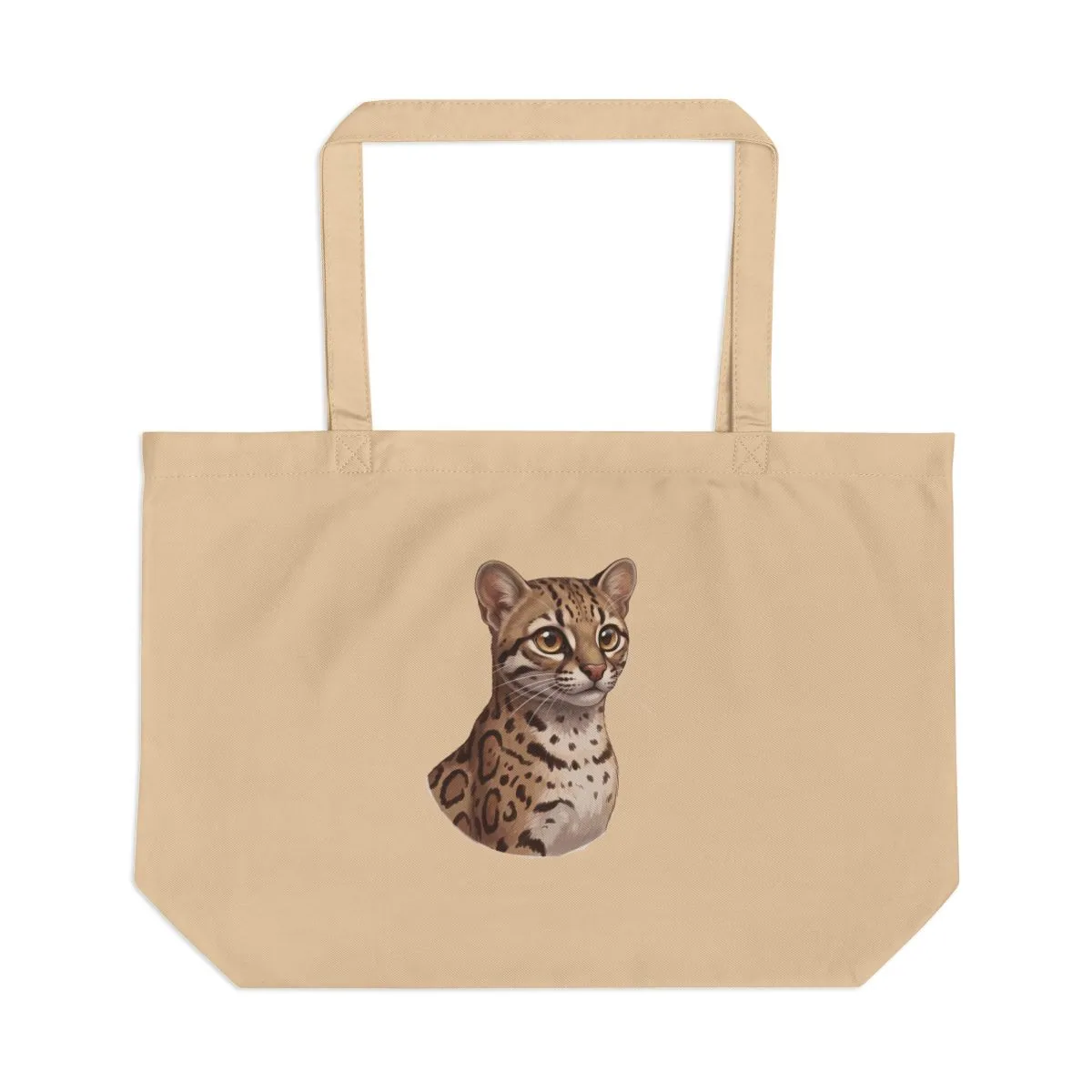
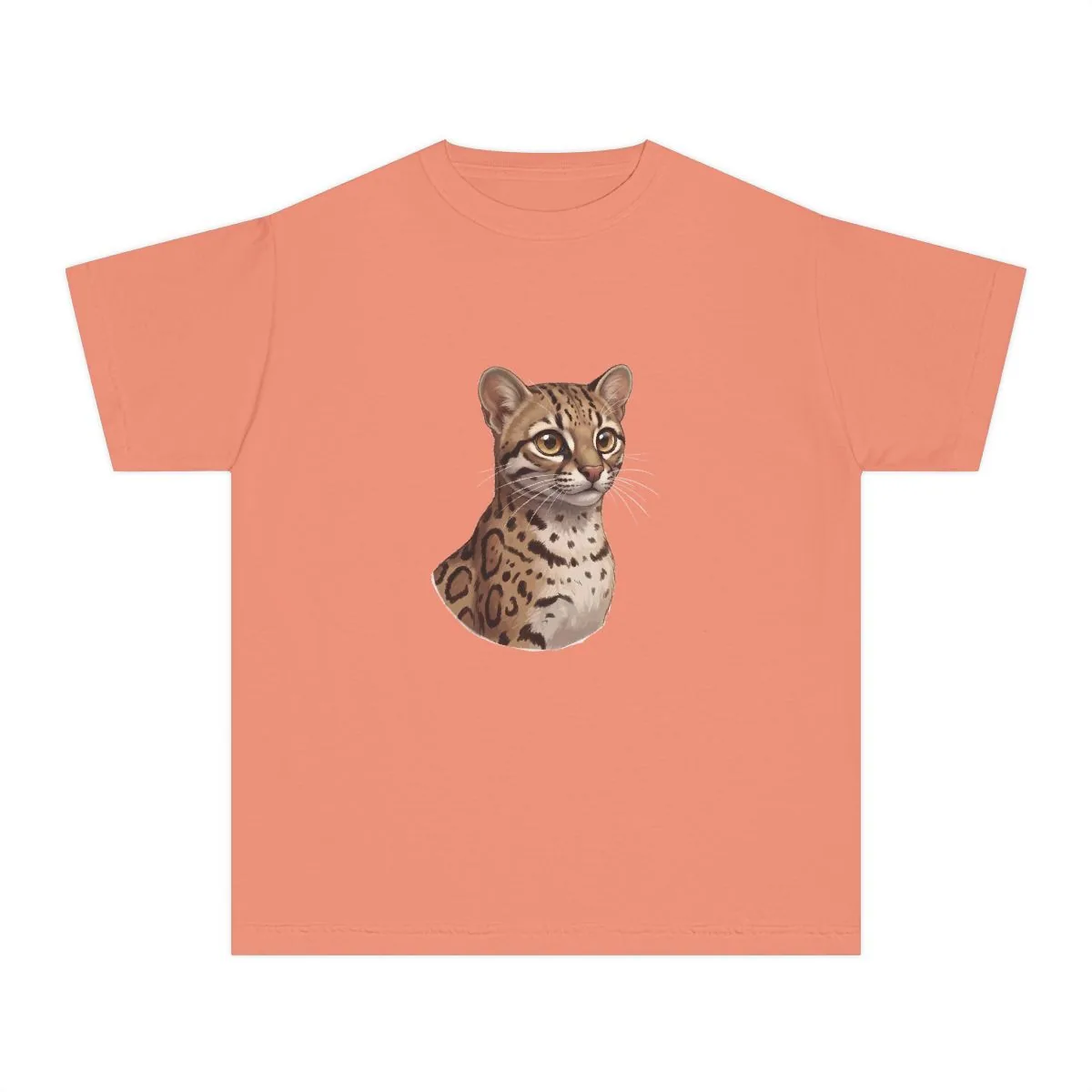
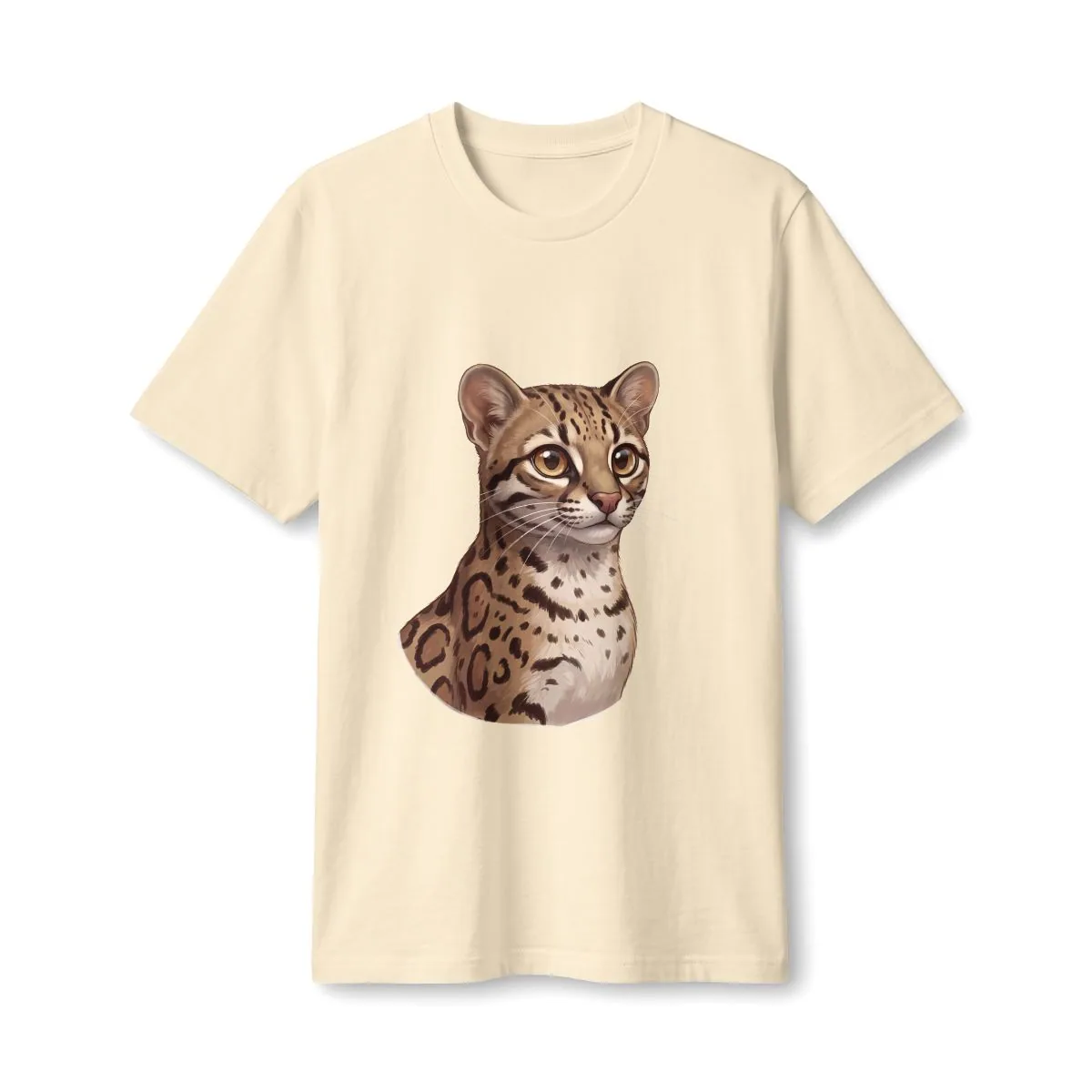
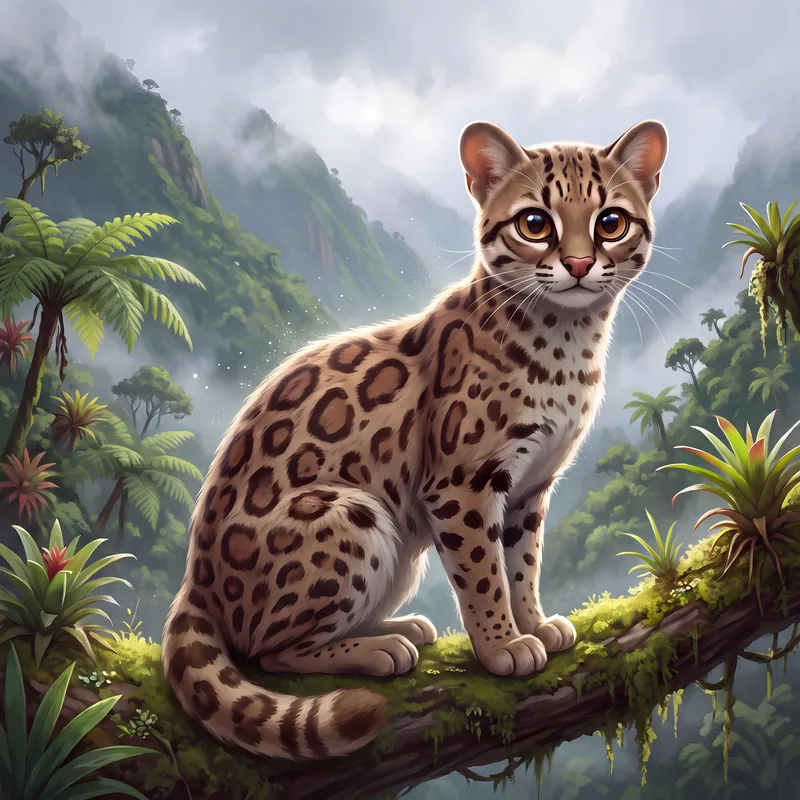
Her big dark rings never merge, and her tail is longer and fuller than a northern tiger cat's, with uneven blotches. Her cousins look so alike that scientists counted her as one of them until 2026, when her genes gave her away.

The cloud lifts

The IUCN has not assessed the tilcayo yet, so its status is unknown. Scientists have not yet worked out how many tilcayos there are. Rangers in Cotapata National Park already protect the home area of her kind.

Week 26 · Tilcayo

Tilcayo: Mila the Cloud

Leopardus tilcayo
RIDDLE RINGS

Mila walks the misty forest in a coat of big dark rings that never touch. Her rings look just like her cousins' spots, and scientists mixed them up, until they read the secret code inside her body. In 2026, her kind of cat finally got its name on paper: tilcayo.

Mila the Cloud
The superpower

Big dark rings that never touch, a riddle even scientists could not solve by sight

Tilcayo scene

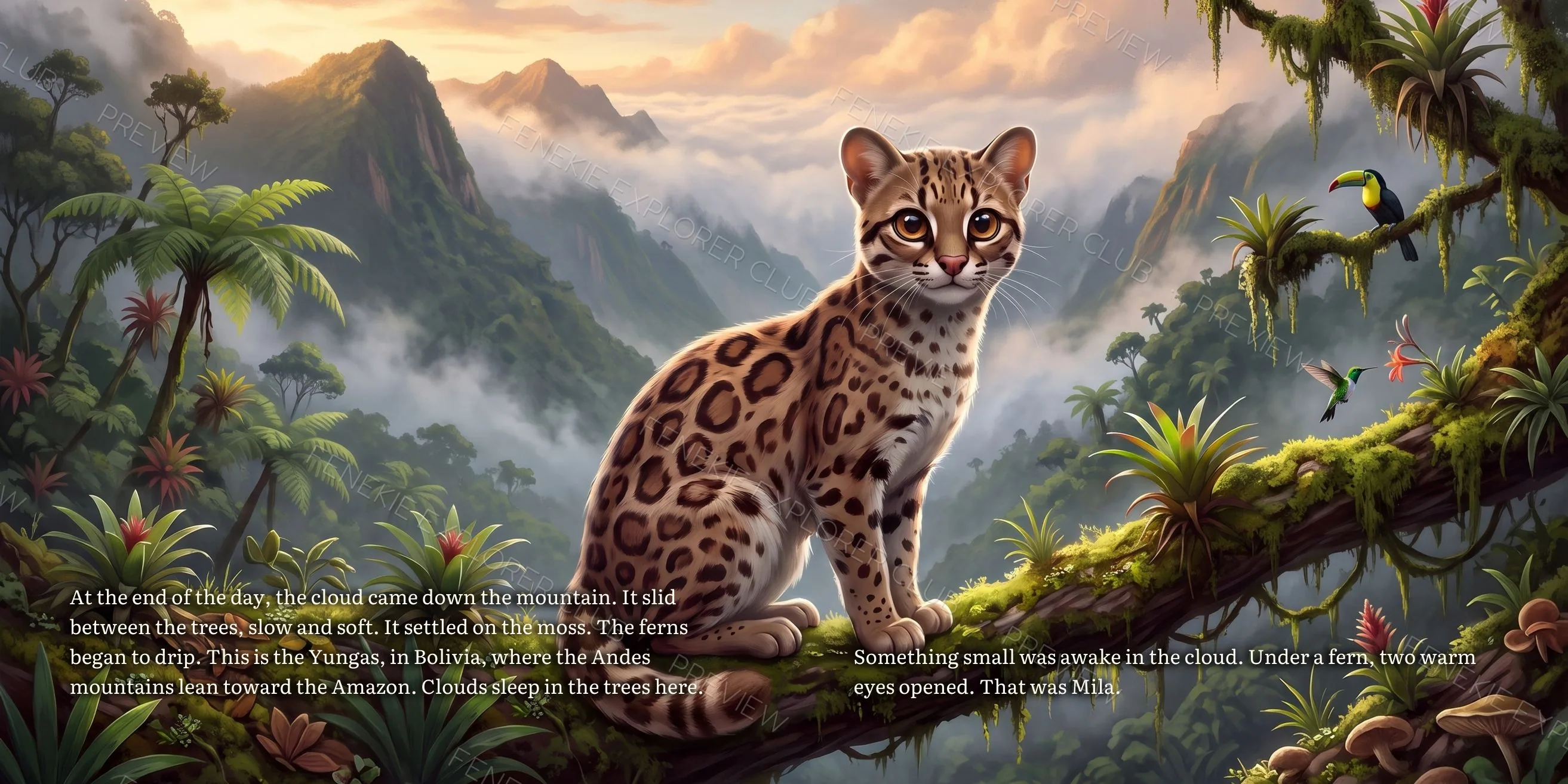
Mila is a tilcayo (say it teel-KAH-yo), a small wild cat of the cloud forest on the eastern slopes of the Andes, in Bolivia. Scientists described the tilcayo as a new species in September 2026. It is the first wild cat species named by scientists in more than a hundred years. Families in the Yungas, the cloud forest where the Andes meet the Amazon, have known the name for generations. Mila is smaller than a house cat. From nose to the base of her tail she is 42.5 to 50.5 centimeters (16.7 to 19.9 inches) long. Her tail adds 25 to 26.5 centimeters (9.8 to 10.4 inches) more. She weighs about 1.5 to 2 kilograms (3.3 to 4.4 pounds). Her short fur is light brown to beige, darker along the spine and paler toward the legs.

The power is the rings. They are big, dark brown to black and mostly open, and they never merge into one another. Her cousins have spots that look much the same. One scientist took a hundred pictures of the one tilcayo living with people. Years later, she saw his rings were much larger than the ones in a guidebook photo of a tiger cat from Brazil, and she thought, "This is so wrong." The answer was in the genes. More than a million places in the code inside Mila's kind differ from two of her cousins. Scientists think she may be busiest at night, and they have found small clues that cats like her eat little rodents. How many tilcayos live in the wild, nobody knows yet.

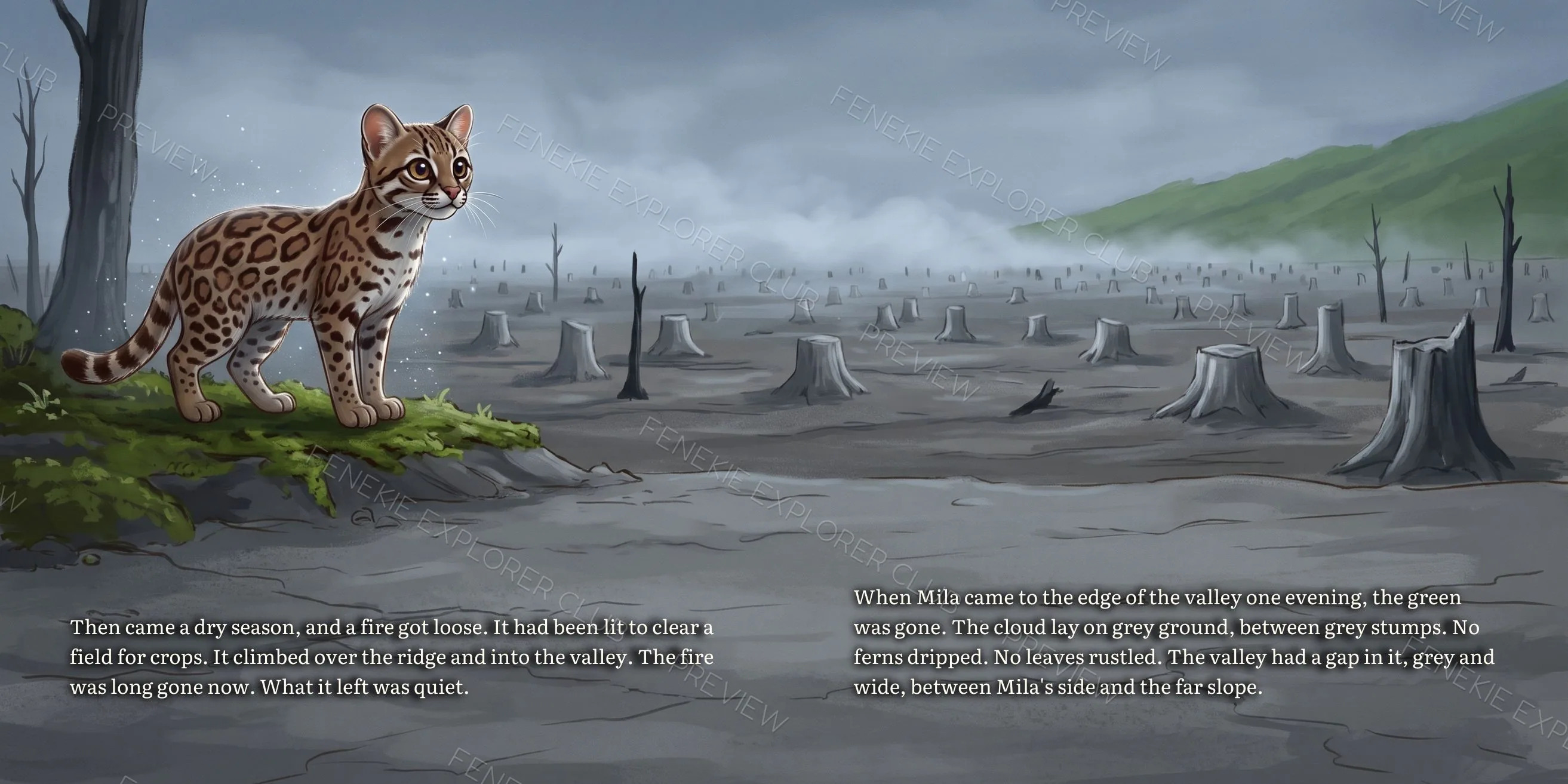
In her story, a fire meant for a field gets loose and leaves a grey gap in her valley, and the cloud comes down thick. Her rings are the one thing in the white that an older cat can follow home. Then people plant a green path across the gap, a small red camera light blinks at her on the new green, and a grandfather says the old name out loud. In the world outside the book, scientists are setting camera traps to find tilcayos in the wild.

Smaller than a house cat. Only two tilcayos have ever been studied, and nobody yet knows how many there are.
  • Page 1 of Mila's Explorer's Hunt, preview
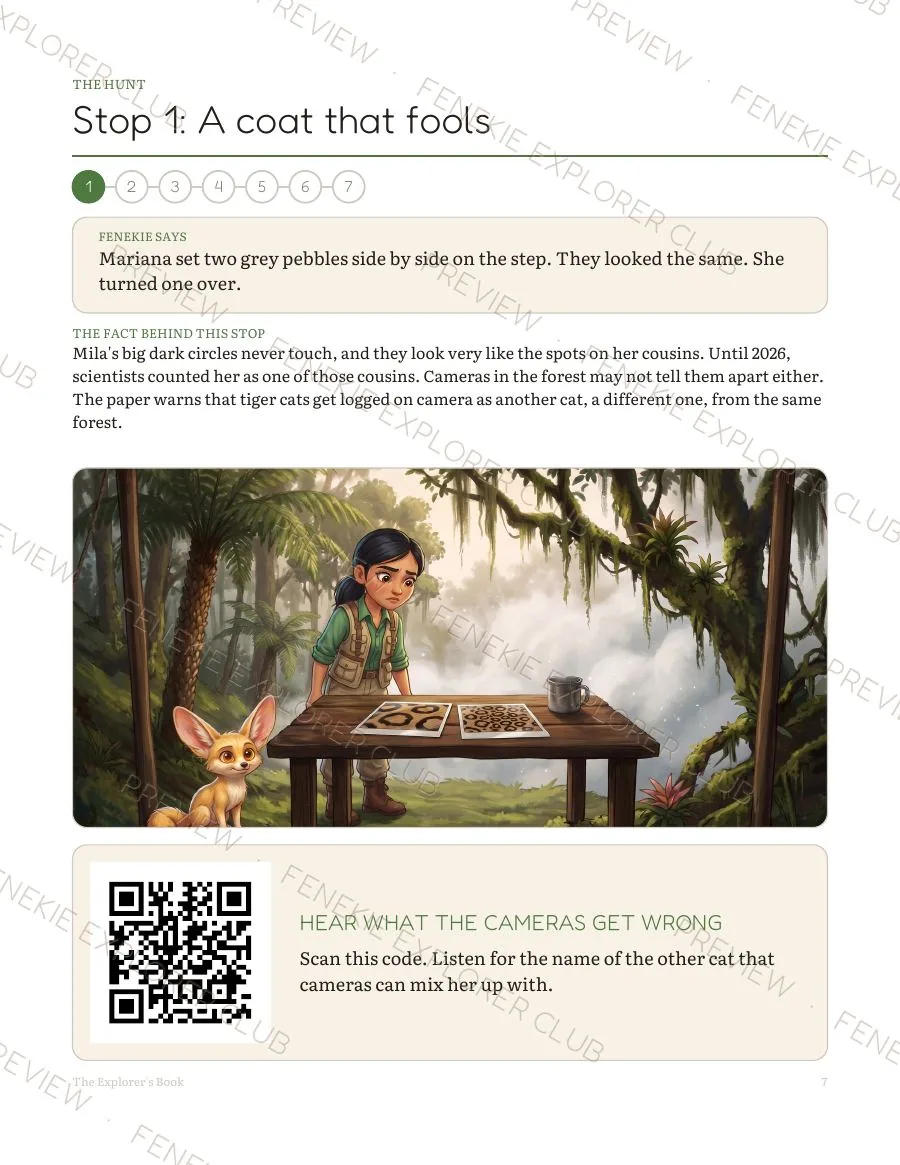
  • Page 7 of Mila's Explorer's Hunt, preview
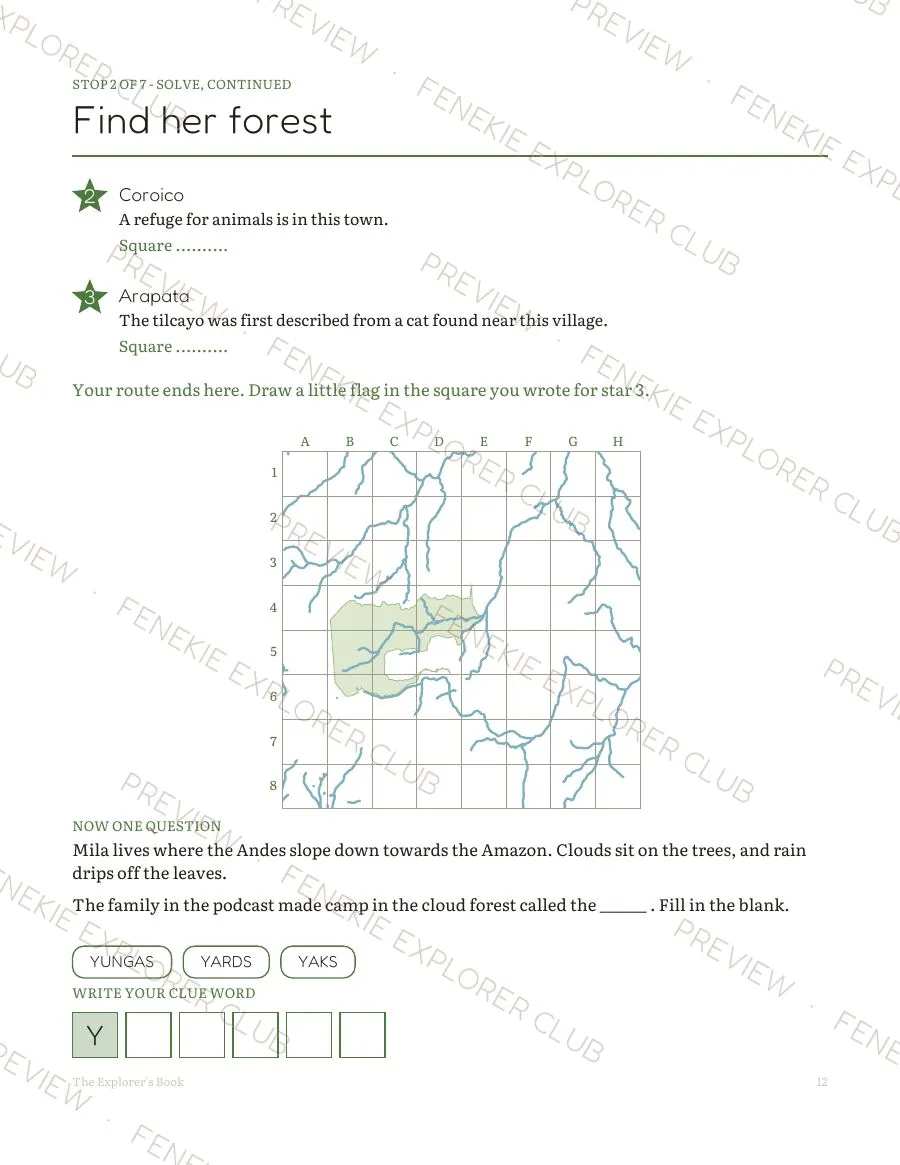
  • Page 12 of Mila's Explorer's Hunt, preview
  • Page 9 of Mila's Explorer's Hunt, preview

4 of 42 pages, a peek inside

Free for grown-ups

Mila's Explorer's Hunt

A mystery hunt about the tilcayo. Mariana and Fenekie have hidden the clues, and your young explorer gets to find them. Leave your email and we will send the book to print at home.

No spam. Every mail has an unsubscribe link.

Watch & listen

Two ways to meet Mila

Podcast A · Discovery

Meet Mila, the Cloud

A daytime conversation. Meet the animal, and the one thing that makes it a superhero.

Podcast B · Bedtime

Mila and the Name in the Mist

A gentle narrated story to drift off to. It ends with lights out.

Rather just listen? Both are podcasts too: Explorer Club on Spotify, Bedtime Stories on Spotify, or any other podcast app.

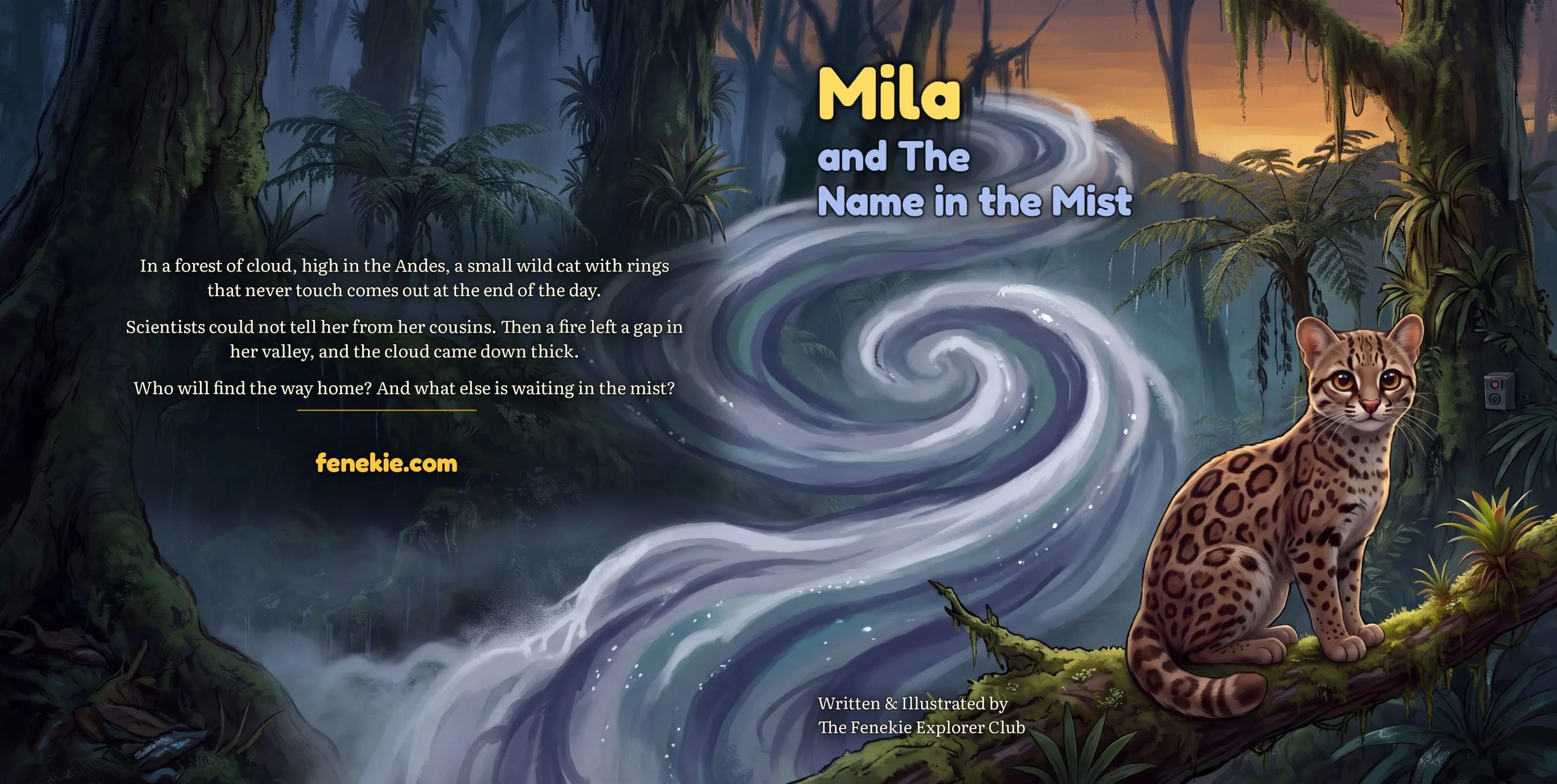
  • The Mila the Cloud storybook cover, laid flat
  • A spread from inside the Mila the Cloud storybook, preview 1
  • A spread from inside the Mila the Cloud storybook, preview 2
  • A spread from inside the Mila the Cloud storybook, preview 3

The storybook

Twenty-one painted scenes follow Mila through the cloud forest of the Bolivian Andes. A small wild cat with rings that never touch comes out at the end of the day. Scientists could not tell her from her cousins. Then a fire leaves a gap in her valley, and the cloud comes down thick. Who will find the way home? And what else is waiting in the mist? For curious explorers, ages 4-8.

Find it on Amazon
Wonder facts

Things you wouldn't believe are true

1

The tilcayo is the first brand-new wild cat species that scientists have named in more than a hundred years. The one before it, the pampas cat, was named in 1923.

2

About ten years ago, someone from a village by the forest found a tiny kitten alone on a road in heavy rain. Thinking it was a house kitten, they fed it noodles, rice and eggs. As it grew, it began to hunt, so it went to a care home for rescued animals. Its name is Tigrino, and he is one of only two tilcayos scientists have studied.

3

The tilcayo's family line split from the other tiger cats about 1.4 million years ago. National Geographic compares that gap to the one between today's lions and the cave lions that lived long ago.

4

No tilcayo had ever been kept in a museum. The skins and skulls scientists studied there belonged to her cousins. Nobody knows yet how tilcayo mothers raise kittens or what eats them.

NE
Not Evaluated
No IUCN assessment exists yet
Checked on the IUCN Red List, 6 November 2026

Not yet assessed, and her forest needs mending

The IUCN, the group that tracks how animals are doing worldwide, has not yet assessed the tilcayo. The cat was only named in 2026. Scientists have not worked out how many there are, or how they are doing. What they have seen is a forest in pieces. Fires set to clear land for crops sometimes escape into the forest, and a scientist who studies these cats calls fire a key issue. Farms, mining and forest left in patches change the cloud forest too. There is hope in the same story. Park rangers of Cotapata National Park already guard the home of the tilcayo. The scientists want to plant the burned patches again, guard the native forest that is left, and keep the patches joined. A research group in Bolivia builds chicken coops and runs workshops so farmers and wild cats can share the land. We can love a cat we have barely seen, and the green paths people plant for her. 1% of every sale of Mila's book and shop items goes to PIF Bolivia, for the work they do for Mila's kind and the forest they live in.

How you can help

Wild cats stay wild.

Small wild cats like Mila are sometimes kept as pets, far from their forest. Make a family promise: we love wild animals where they live, and never buy one as a pet.

La Senda Verde, for grown-ups

Where Mila's 1% goes

1% of every sale of Mila's book and shop items goes to this group, for the work they do for Mila's kind and the forest they live in.

PIF Bolivia

Programa de Investigación Félidos Bolivia

They study Bolivia's wild cats. They build chicken coops so farmers and small cats can share the land, and they visit villages with models of the wild cats to help people see them as neighbours, not pests. The scientist who started PIF Bolivia helped name the tilcayo.

“At PIF Bolivia we gather knowledge about Bolivia's wild cats to guide research and conservation. For us, discovering the tilcayo also means taking on a commitment to protect it. We feel responsible for continuing to work for this species and for Bolivia's small wild cats, work we have been doing for many years.”their words, translated from Spanish
Visit PIF Bolivia

Tilcayo facts

  • What it isThe tilcayo is a small wild cat, a mammal of Bolivia's cloud forests. It is the first brand-new kind of wild cat scientists have named in over a century.
  • Say itteel-KAH-yo. Some English speakers say til-KYE-oh. Its scientific name, Leopardus tilcayo, is leh-oh-PAR-dus teel-KAH-yo.
  • SizeIt is smaller than a house cat. Head and body measure 42.5 to 50.5 cm (16.7 to 19.9 in). It weighs about 1.5 to 2 kg (3.3 to 4.4 lb).
  • Where it livesIt lives in the Yungas cloud forests of Bolivia, where the Andes meet the Amazon basin. Scientists do not yet know how far its range reaches.
  • What it eatsSmall rodent remains in its droppings suggest it may eat them, but little else is known. The one tilcayo living with people eats chicken, little mice and eggs.
  • Day or nightCamera-trap evidence hints it could be more active at night. Scientists have too few records to be sure.
  • BabiesScientists do not yet know how many kittens it has, or how its mothers raise them.
  • Who hunts itScientists do not yet know what hunts it. What they know so far comes from two live animals and a small number of camera-trap records.
  • Where it came fromIts line split from the other tiger cats about 1.4 million years ago, an evolutionary distance like that between modern lions and extinct cave lions.